
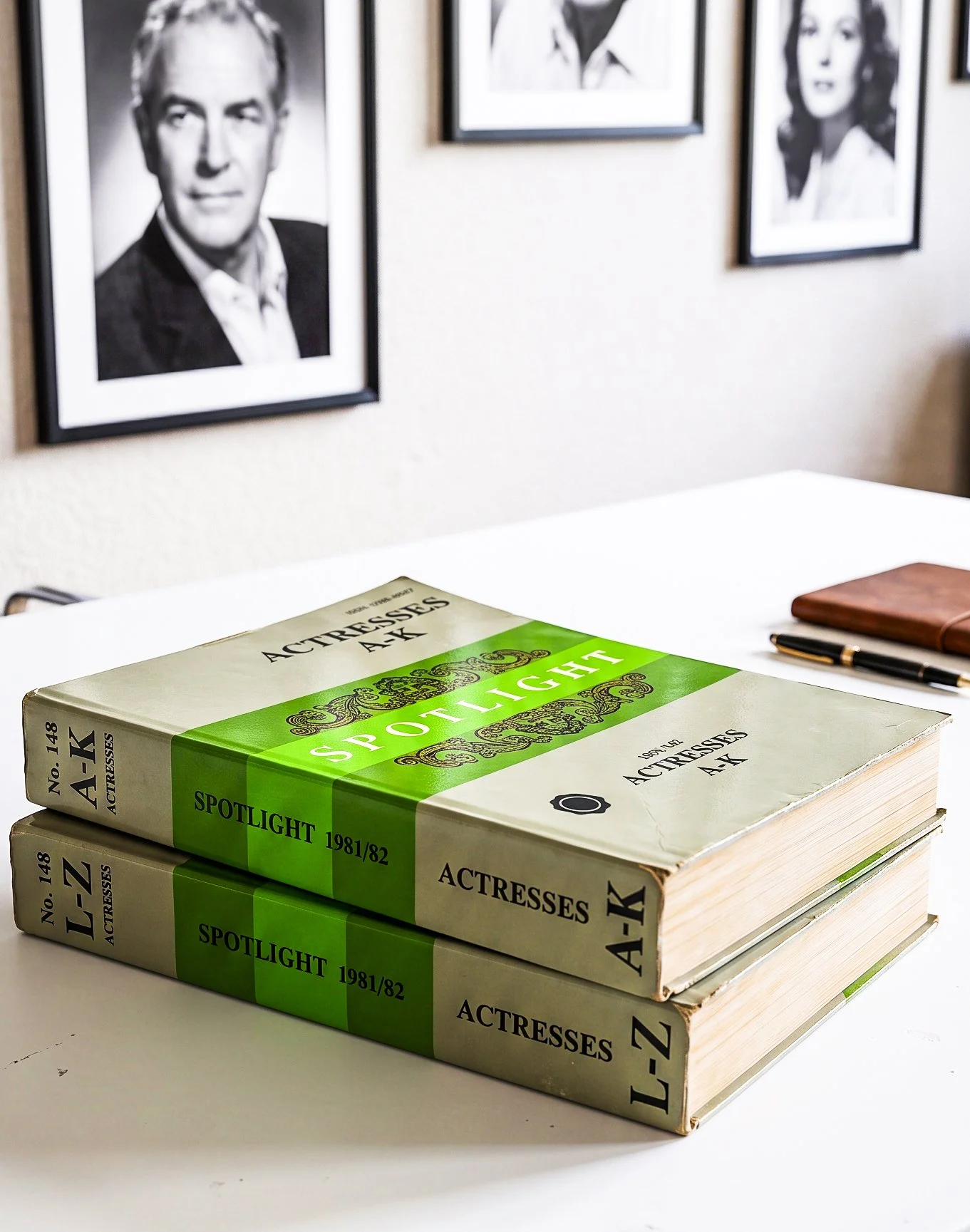
The book that kept British actors in black and white
Lily McMenamy has spent years turning modelling into theory. She spent an afternoon in my studio setting both down — on de-modelling a performer for the turn toward screen.
Two sentences, her name first for the list page, and deliberately different vocabulary from the meta description so the two surfaces co-locate rather than repeat. Leave "Post Title should link to Source URL" unticked — that's for reblogged content and would send clicks away from your post.
Read MoreA decade in front of fashion cameras hands an actor real assets. Complete ease under scrutiny, first: Lily doesn't flinch at a lens, doesn't spend half an hour finding her face, doesn't defend the previous version of herself when I ask for a new one. Direction lands and is simply executed. Anyone who has photographed nervous first-timers knows how rare that is.
Read MoreA first session is an audition that runs both ways. The actor is checking whether you can see them; you are checking whether they'll let you. It's the second session that means something — nobody comes back to a photographer out of politeness.
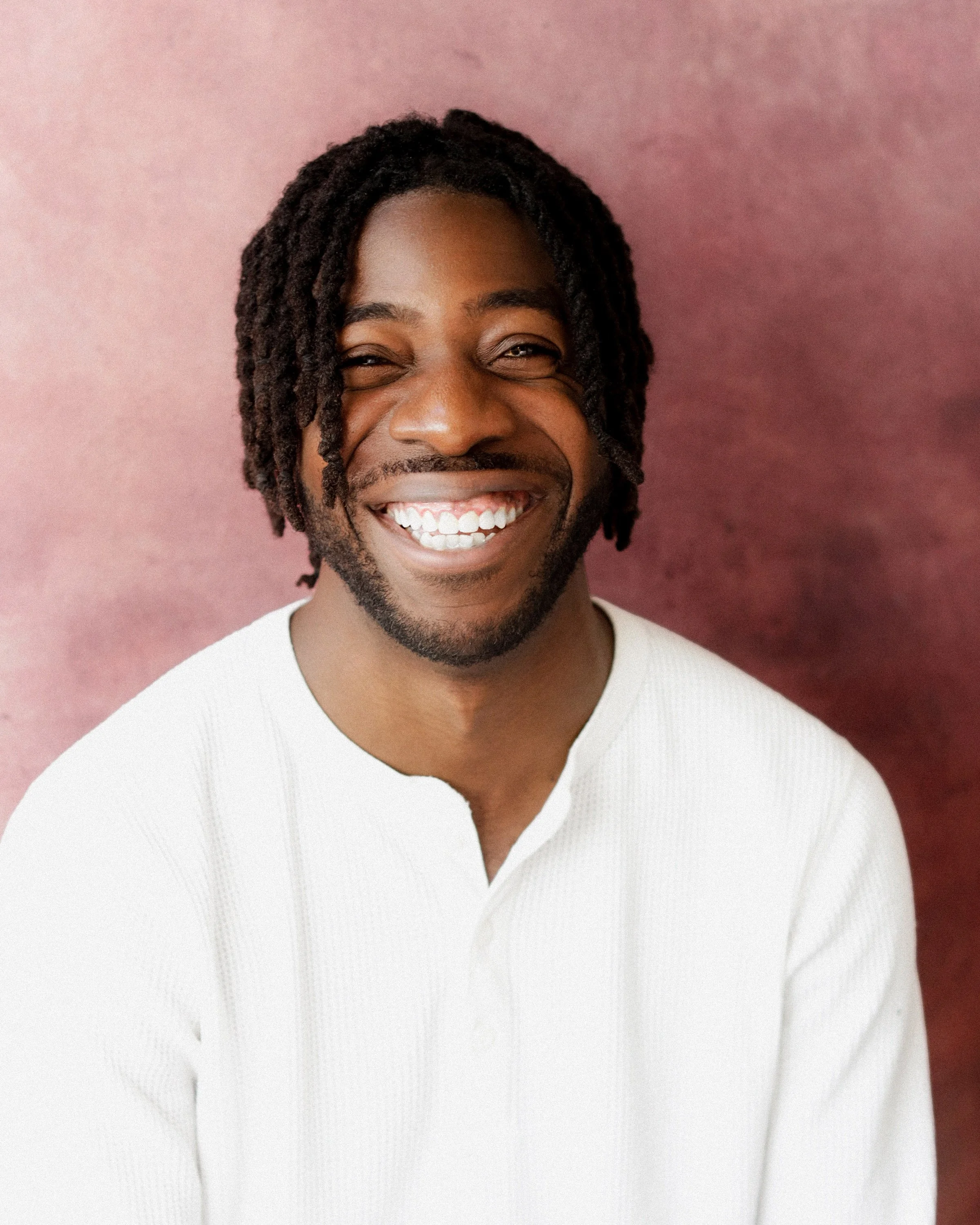
Read MoreSome actors arrive at a session and wait to be directed. Jeremy Zinunu arrives already fluent — the quiet, generous fluency of someone who has stood behind a camera as well as in front of one.
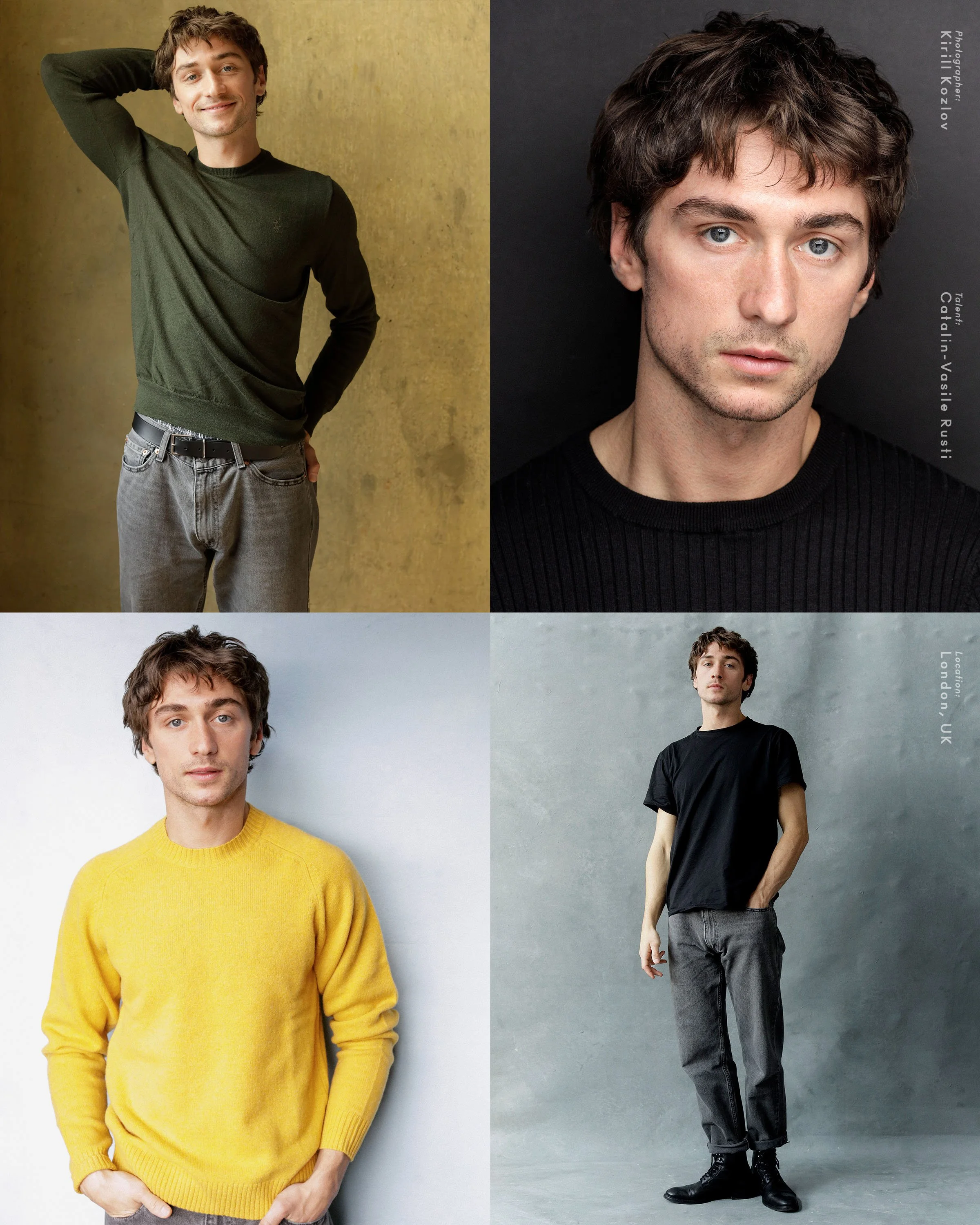
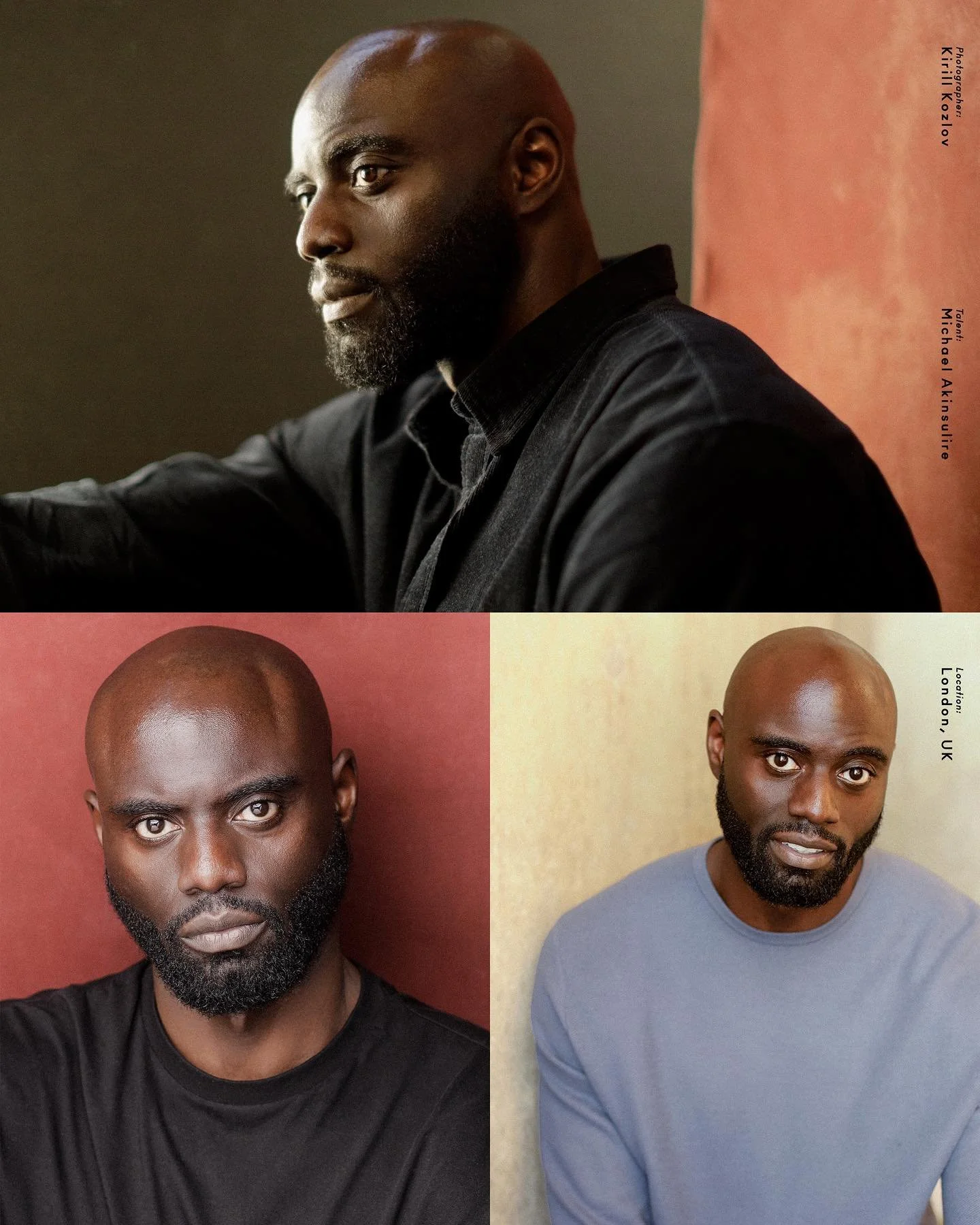
Read MoreThree casting registers in one London session with Michael Akinsulire (Andor, Killing Eve, Without Remorse) — by actor headshot photographer Kirill Kozlov.
Read MoreNow, the creative portrait. This is something else.
In the UK, there's a trend toward creative portraiture in headshots with people having their hands close to their faces, in their hair or similar. You'll see images with cinematic lighting, thoughtful composition, perhaps a hand gesture that tells a small story about the actor's personality or energy. The posing is more deliberate. The editing is more nuanced. The aesthetic is more intentionally crafted.
This is legitimate photography. It's often beautiful. It shows range, vulnerability, depth, and artistic sensibility.
But here's the critical distinction: it is not a casting tool. It is a portfolio tool.
Creative portraits exist to showcase your artistic capability and emotional range—to demonstrate that you're not just a face, but a presence, a character, a story. They belong on your website, your social media, your digital portfolio. They communicate to agents, directors, and fellow creatives that you think deeply about character and image.
But submit one as your primary headshot to a casting director, and you've confused your audience. You're asking them to do interpretive work when they need clarity. You're prioritizing aesthetics over function. While these images are powerful within the modeling world, their emphasis on style and pose is exactly what can make them less effective (or even confusing!) when submitted for acting roles.
The mistake many actors make is assuming they can do double duty—that a creative portrait can serve as a casting headshot, or vice versa.
It cannot. They are not interchangeable.
These are great for showing off different sides of your character, but they shouldn't replace the classic, straightforward headshot. Think of it this way: a casting headshot is your professional CV. A creative portrait is your artist statement. You wouldn't submit an artist statement when someone asks for a CV.
One casting director summed it up simply: "Your headshot should look like the person that will walk in the audition room or show up on set. Nothing else matters."
Here's what a professional actor needs:
A primary casting headshot. Tight crop. Current. Authentic. A clear, uncomplicated representation of who you are right now. This is what goes to Spotlight, to casting directors, to agents. This is what gets you auditions.
A series of creative portraits. These live on your website, your Instagram, perhaps your portfolio. They show your depth, your range, your artistry. They tell a story. They're for people who are already interested in you and want to understand you more fully—not for casting directors who are making a snap decision in a crowded field.
You can shoot both in the same session. A skilled photographer understands the difference and will give you images that serve both purposes—casting headshots that are functional and compelling, plus additional creative portraits that showcase your presence without compromising clarity.
In a truly great headshot, the actor's personality – NOT just their appearance – comes though. One casting agent said that this happens in .3% of all headshots.
This is the paradox. A casting headshot must be utterly clear and functional, but it must also capture something ineffable—a sense of who you are, your energy, the quality of your presence. This is not something you can force. It's not something you can manufacture with artful posing or cinematic lighting or hands in your hair.
It comes from the actor's willingness to be genuinely present in front of the lens. It comes from a photographer who understands both the technical requirements and the human work. It comes from the collaboration between someone who knows how to hold space and someone willing to be seen in it.
That's why the distinction matters. When you confuse artistic intent with casting strategy, you lose the clarity that makes a headshot work. When you prioritize beauty over authenticity, you become invisible to the people who matter.
Your casting headshot gets you in the room. Everything else—your talent, your training, your preparation—only matters once you're through the door. Don't let a creative portrait do that job. It's not built for it.
And don't let a casting headshot pretend to be art. It's not. It's a tool. Use it as one.
Build your professional portfolio strategically. Have the headshot that works for casting. Have the portraits that show your depth. Know what each one is for. And choose each image with intention, not assumption.
That's how you stop blending in. That's how you get remembered. That's how careers are built.§
Why my studio runs quiet but never passive, how we walk a casting range in one sitting, and what film-stock discipline changes about a headshot.
Read MoreBreaking into the London acting scene in 2024 is all about balance—and a good headshot is your ticket in. But not just any headshot. Those overly smiley, heavily styled shots might get you noticed in the United States, but they won’t do you any favors here. In England, casting directors want something classic, professional, and above all, authentic. No gimmicks, no cheese.
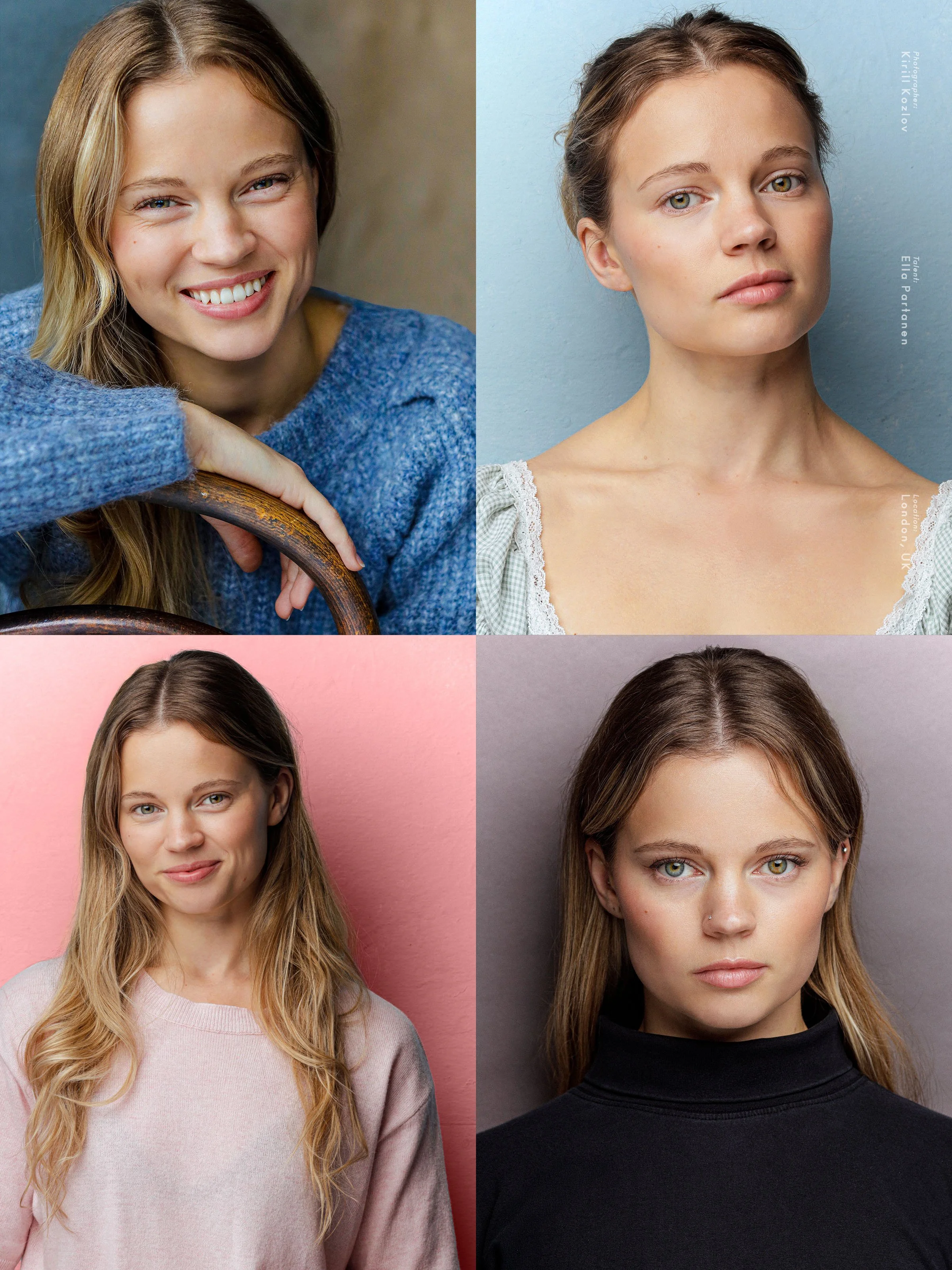
Here’s what you need:
First up: the strong, decisive lead. This is your detective, CEO, or action hero. You want to show sharpness and confidence, with a look that says you’re ready to take charge of any scene.
Then there’s the romantic lead. This one is all about warmth and sincerity. Not a cheesy grin, but a subtle, engaging look that suggests depth and connection.
The best friend role is next—approachable and relatable. This headshot should give off the vibe that you're the supportive character everyone wants by their side.
For more quirky roles, there’s the nerd—the slightly awkward but charming character. This shot should be playful without being over the top.
The professional—whether you're playing a doctor, lawyer, or someone in a position of authority, this headshot should convey trust and competence. You're the person audiences can count on to get the job done.
For actors going for the criminal or thug, it's about intensity. Your look should hint at something darker, showing that you can embody the edgier roles with ease.
Then there’s the villain—the schemer, the cold-blooded mastermind. This headshot should carry an undertone of menace, without crossing into caricature.
Finally, for older actors, there’s the caregiver or parent. This headshot needs to express warmth, experience, and strength—someone who exudes wisdom and empathy.
In 2024, your headshot is more than just a picture—it’s your calling card. It needs to be real and versatile, reflecting the range you can bring to roles. Work with a seasoned photographer who understands the nuances of the UK market, and make sure your headshot stands out for all the right reasons.
A fair defence of your mate's phone, the seventeen-minute kitchen shoot, and the real tell casting spots — intent, not pixels.
Read MoreTwo hundred years ago, an actor's likeness was an oil painting. One image, one room, one viewer at a time — and the sitter chose the painter carefully, because the portrait would outlive the performance. The economics have changed. The stakes have not.
Today your likeness is a thumbnail on a casting director's screen, one face in a scroll of two hundred before lunch. Each holds the screen for a second, sometimes less, before the only decision that matters gets made: pause, or keep moving. That second is the first audition of your career, and you are not in the room for it. Your headshot attends alone.

Here is what nobody tells you about a weak headshot: it never announces itself as weak. It works in quieter ways. Flat lighting reads as indifference. An awkward crop reads as inexperience. A forced smile reads as tension held under pressure. The casting director doesn't think "this is a poor photograph" — there is no time for that thought. They think "not ready", without noticing they've thought it, and the scroll carries on.
A strong headshot runs the same mechanism in reverse. Nobody stops to admire the lighting. Nobody consciously registers the composition. They simply believe the face — and belief is the entire job. The craft succeeds by disappearing.
I've spent nearly thirty years behind a camera, the last twenty photographing actors, and I trained as a cinematographer before I ever shot a headshot. That training left me with one conviction: light is information, not decoration. The way a face is lit tells a viewer who they are looking at before a single line is spoken. A casting director reading your headshot does exactly what an audience does with the first frame of a film — decides, instantly, whether to trust what it sees.
So when I photograph an actor, I am not making a picture for a wall. I am building the frame that argues for you in rooms you never enter. It has to survive the scroll, hold the pause, and make a stranger reach for your name.
If your current headshot is a few years old — or if it flatters you more than it argues for you — that is a solvable problem. The Director's Session exists for exactly this: an unhurried afternoon, directed with casting discipline, built to win a one-second audition.
Nice and simple.