

Why my studio runs quiet but never passive, how we walk a casting range in one sitting, and what film-stock discipline changes about a headshot.
Read Moreheadshots
What Casting Directors Want: The Headshots That Work in England (And What Doesn’t)
Breaking into the London acting scene in 2024 is all about balance—and a good headshot is your ticket in. But not just any headshot. Those overly smiley, heavily styled shots might get you noticed in the United States, but they won’t do you any favors here. In England, casting directors want something classic, professional, and above all, authentic. No gimmicks, no cheese.
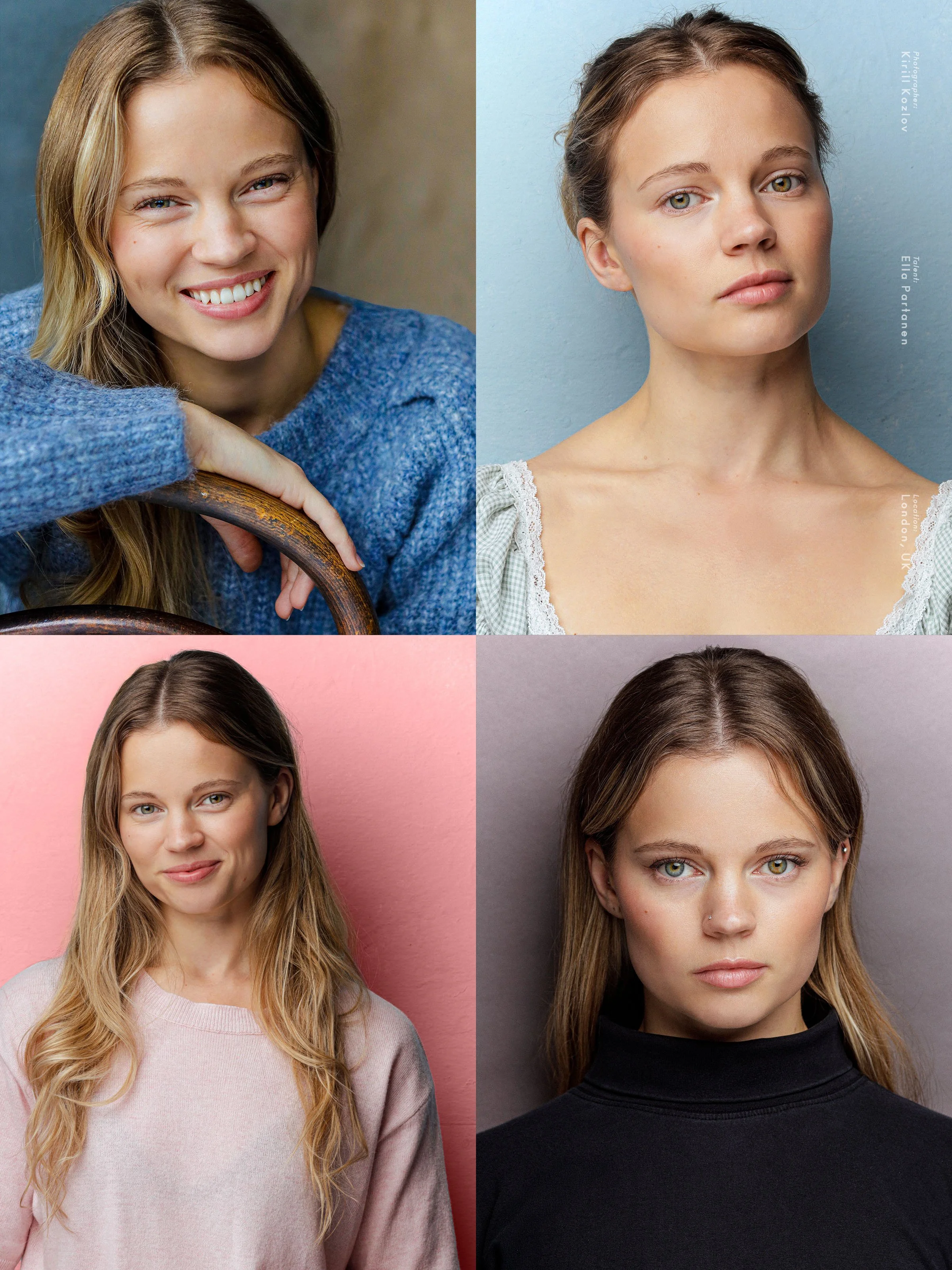
Here’s what you need:
First up: the strong, decisive lead. This is your detective, CEO, or action hero. You want to show sharpness and confidence, with a look that says you’re ready to take charge of any scene.
Then there’s the romantic lead. This one is all about warmth and sincerity. Not a cheesy grin, but a subtle, engaging look that suggests depth and connection.
The best friend role is next—approachable and relatable. This headshot should give off the vibe that you're the supportive character everyone wants by their side.
For more quirky roles, there’s the nerd—the slightly awkward but charming character. This shot should be playful without being over the top.
The professional—whether you're playing a doctor, lawyer, or someone in a position of authority, this headshot should convey trust and competence. You're the person audiences can count on to get the job done.
For actors going for the criminal or thug, it's about intensity. Your look should hint at something darker, showing that you can embody the edgier roles with ease.
Then there’s the villain—the schemer, the cold-blooded mastermind. This headshot should carry an undertone of menace, without crossing into caricature.
Finally, for older actors, there’s the caregiver or parent. This headshot needs to express warmth, experience, and strength—someone who exudes wisdom and empathy.
In 2024, your headshot is more than just a picture—it’s your calling card. It needs to be real and versatile, reflecting the range you can bring to roles. Work with a seasoned photographer who understands the nuances of the UK market, and make sure your headshot stands out for all the right reasons.
Your First Impression: The Audition You Don't Attend
Two hundred years ago, an actor's likeness was an oil painting. One image, one room, one viewer at a time — and the sitter chose the painter carefully, because the portrait would outlive the performance. The economics have changed. The stakes have not.
Today your likeness is a thumbnail on a casting director's screen, one face in a scroll of two hundred before lunch. Each holds the screen for a second, sometimes less, before the only decision that matters gets made: pause, or keep moving. That second is the first audition of your career, and you are not in the room for it. Your headshot attends alone.

Here is what nobody tells you about a weak headshot: it never announces itself as weak. It works in quieter ways. Flat lighting reads as indifference. An awkward crop reads as inexperience. A forced smile reads as tension held under pressure. The casting director doesn't think "this is a poor photograph" — there is no time for that thought. They think "not ready", without noticing they've thought it, and the scroll carries on.
A strong headshot runs the same mechanism in reverse. Nobody stops to admire the lighting. Nobody consciously registers the composition. They simply believe the face — and belief is the entire job. The craft succeeds by disappearing.
I've spent nearly thirty years behind a camera, the last twenty photographing actors, and I trained as a cinematographer before I ever shot a headshot. That training left me with one conviction: light is information, not decoration. The way a face is lit tells a viewer who they are looking at before a single line is spoken. A casting director reading your headshot does exactly what an audience does with the first frame of a film — decides, instantly, whether to trust what it sees.
So when I photograph an actor, I am not making a picture for a wall. I am building the frame that argues for you in rooms you never enter. It has to survive the scroll, hold the pause, and make a stranger reach for your name.
If your current headshot is a few years old — or if it flatters you more than it argues for you — that is a solvable problem. The Director's Session exists for exactly this: an unhurried afternoon, directed with casting discipline, built to win a one-second audition.
Nice and simple.